
Key Takeaways
AI in recruitment is no longer a debate about whether companies should adopt it, as many organizations have already adopted it. The conversation has changed into:
This blog covers where AI recruitment stands today, the trust issues that have emerged between employers and candidates, and how AI has changed hiring from both sides of the table.
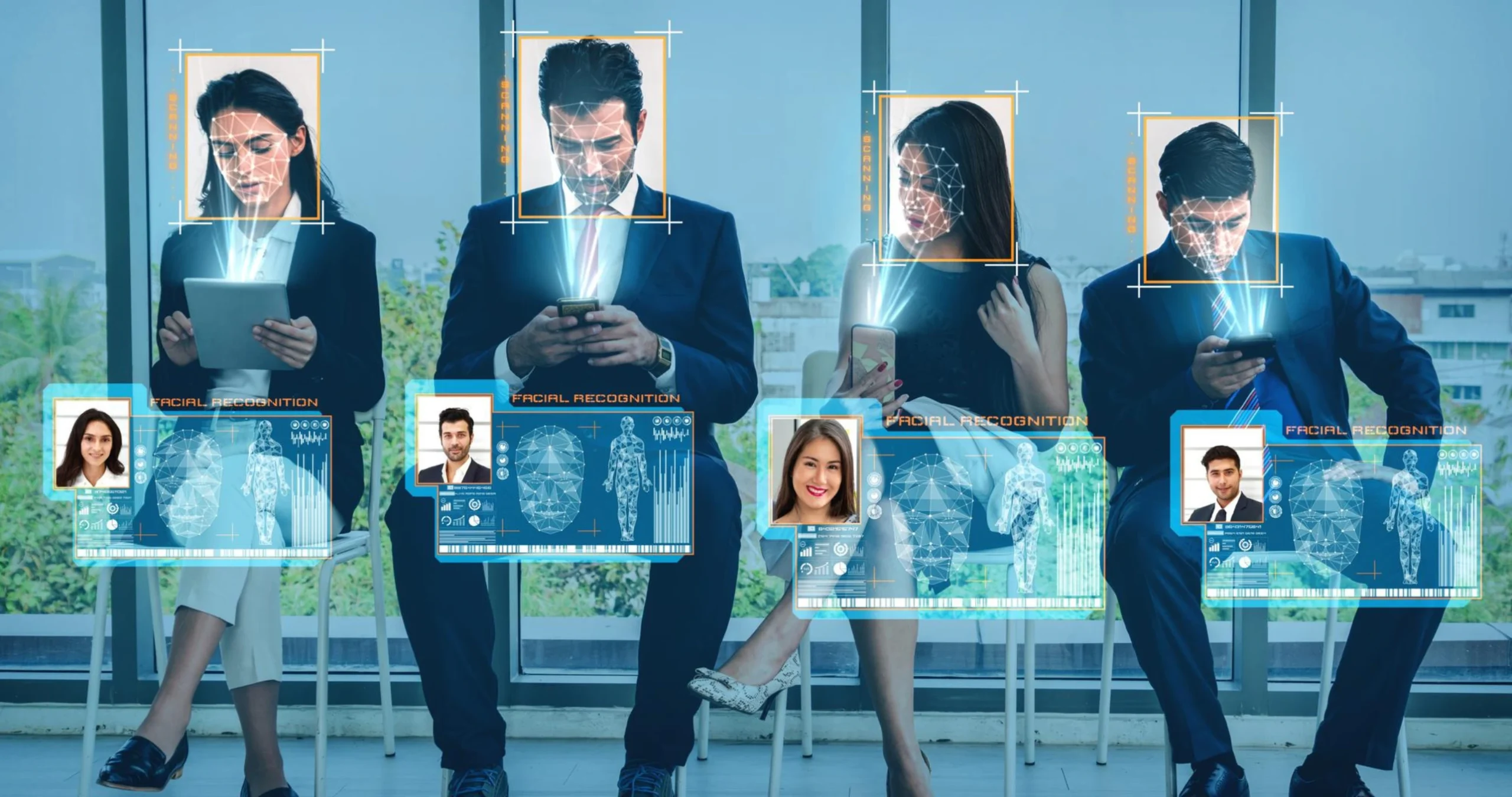
At its core, AI in recruitment means applying Artificial Intelligence to hiring tasks that once relied entirely on human judgment, such as writing job descriptions, screening resumes, shortlisting candidates, scheduling and grading interviews, and more.
Here is the clear distinction to help you understand how these technologies are being used in recruitment:
Early recruitment AI was mostly about speed: parsing resumes faster than a human could, flagging keyword matches, cutting down the pile. The current generation does more: from carrying out multi-step tasks with less hand-holding, to managing a candidate conversation end-to-end, to deciding when to escalate a query to a human recruiter. This is often called applied, or Agentic AI, and it changes what a recruiter’s day looks like:
| Then: Basic Automation | Now: Agentic AI |
|---|---|
| Keyword-matches resumes | Recommends roles based on skills, career history, and preferences |
| Sends templated status emails | Handles real-time candidate conversations |
| Flags candidates for review | Decides when to escalate to a human recruiter |
| Processes faster | Personalizes the match, not just the speed |
Instead of a recruiter manually answering the 40th “What’s the status of my application” email, an AI agent handles that exchange in real time, freeing the recruiter for what actually needs a human; tasks like judgment calls, relationship-building, closing offers.
For a candidate, it is the difference between being fed 15 irrelevant job alerts and being shown 3 that actually fit. For an employer, better-matched candidates mean fewer early exits and less wasted interview time.
There’s a real disconnect between how confident HR leaders are about AI in hiring and how comfortable candidates are being on the receiving end of it.
Research from Pew has found a meaningful share of people report feeling wary and uncertain about AI being used to hire and assess workers, while Greenhouse’s survey data found a notable share of candidates worry a company using AI might reject their application for reasons they will never fully understand.
This has direct consequences for employer brand, particularly in a competitive Indian hiring market where candidates compare notes freely on LinkedIn and Glassdoor.
Hiring teams tend to talk about AI as something they deploy on candidates. However, AI tools are also helping job seekers polish resumes, tailor cover letters, and rehearse likely interview questions before they ever speak to a recruiter.
The practical risk is a candidate who looks exceptionally polished through the resume and first-round stages, then struggles when asked to explain a decision live. The solution is not penalizing candidates for using AI; it is redesigning later-stage interviews to test for worth:
Some of the major challenges of using AI in recruitment are:
AI models are only as good as the data they are trained on, and useful hiring data is harder to come by than it sounds. A company hiring for a niche role may not have anywhere near the volume of historical resumes and outcomes needed to train a model that understands what makes a strong hire for that specific position.
Recruiters who have built careers on judgment calls can be understandably sceptical of software making decisions that used to be theirs. Getting past this takes more than a training session: involve HR in vendor selection, be upfront about what the tool will and will not decide on its own, and give recruiters visibility into how a recommendation was reached rather than a black-box score.
Global companies are using the processing power of AI in enhancing their recruitment efforts. Some of the major ones are:
Pocket HRMS brings this same shift, from basic automation to genuinely useful AI, into a single hire-to-retire platform built for Indian HR teams. Recruitment tasks that used to eat a recruiter’s week, like posting jobs across platforms, sourcing candidates, calculating CTCs, scheduling interviews, managing paperless onboarding, etc., now run through a dedicated recruitment system instead of various disconnected tools.
The smHRty® AI-chatbot handles candidate-facing conversations in real time, answering routine queries and keeping applicants updated without pulling a recruiter away from higher-value work.
Additionally, the HRMS Copilot™ helps recruiters as the platform captures data across the entire employee lifecycle. Its recommendations and reporting draw on more context than a point solution built only for recruitment ever could.
Conclusion
Organizations getting real value from AI now are treating deployment as an ongoing responsibility, are closing the trust gap with candidates, redesigning interviews for a world where every applicant has AI-polished help, and making the ROI case to leadership with numbers that actually hold up. What separates the companies getting real value from AI is whether they’re building it into how they hire, or just bolting it onto how they used to.
AI in recruitment automates hiring tasks like resume screening, candidate shortlisting, and interview scheduling. Modern AI tools go further, handling real-time candidate conversations and personalizing role recommendations based on skills and preferences.
AI can reduce human bias by focusing on skills and data rather than demographics, but it can also inherit bias from the data it is trained on. Responsible deployment requires transparency about screening criteria and a clear route for candidates to reach a human reviewer.
Automation executes fixed, repetitive tasks without learning, like moving resumes based on keyword rules. AI, particularly machine learning, improves its accuracy over time by learning from hiring data, making it capable of more nuanced decisions.
Not always, which is a growing concern among job seekers. Leading companies now disclose when AI is part of the hiring process, explain what it evaluates, and offer candidates a way to reach a human recruiter if they have concerns about a decision.